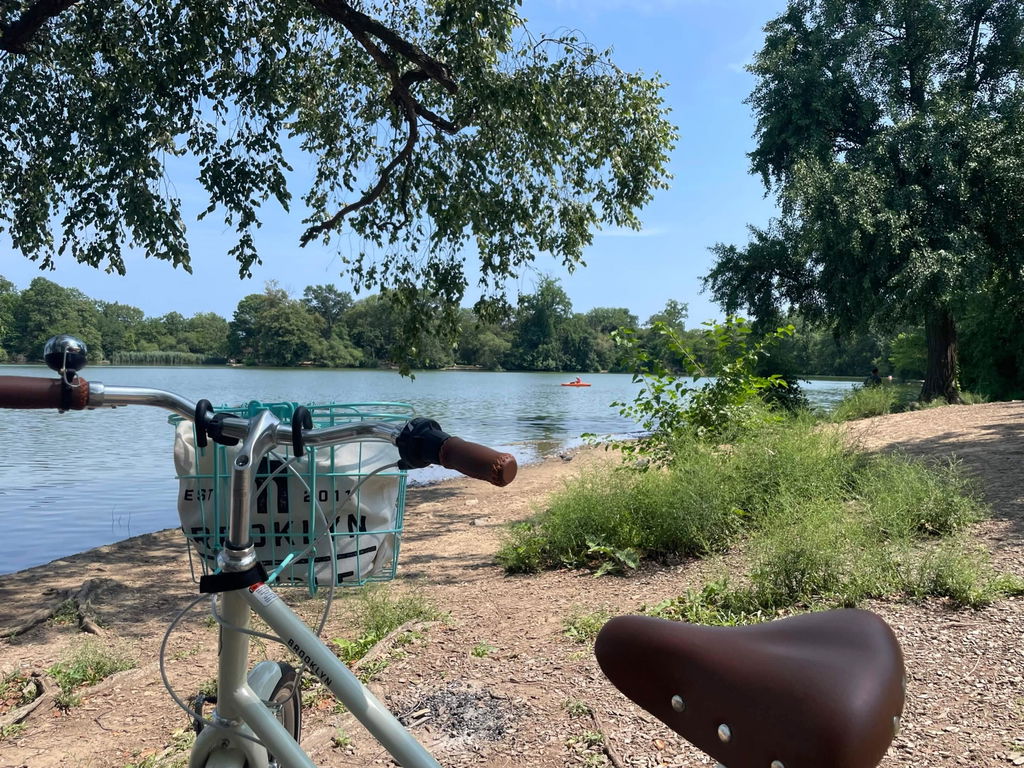
5 Tips for Riding Your Bike in the Heat
Resource Center / Riding Tips
5 Tips for Riding Your Bike in the Heat
Summer riding is some of the best riding of the year — long evenings, open roads, no frozen fingers. But heat changes the equation. Here's what actually makes a difference.

Your body works harder in the heat, your performance drops faster than you'd expect, and a ride that felt easy in April can feel punishing by July if you haven't adjusted your approach. The good news: riding comfortably in hot weather isn't complicated. It mostly comes down to timing, preparation, and a few smart gear choices.
Tip 01
Hydrate
Before, During, and After

This is the tip everyone knows and the one most riders still underdo. Research consistently shows that dehydration exceeding 2% of body mass reduces exercise performance and increases thermoregulatory strain — particularly in the heat. By the time you feel thirsty, you're already behind. Thirst is a lagging indicator, not a real-time one.
-
BeforeDrink 16–20 oz of water in the hour before your ride
-
DuringAim for one full bottle (16–20 oz) every 30–45 minutes in hot conditions
-
AfterRehydrate proactively — not just once you feel thirsty
For rides over an hour, plain water isn't enough. You're losing electrolytes through sweat — sodium in particular — and replacing fluid without replacing electrolytes can make things worse. Add an electrolyte tab or sports drink to at least one bottle on longer rides.
Tip 02
Wear Light, Moisture-Wicking Clothing
What You Wear Affects How Your Body Cools

What you wear in the heat has a direct effect on how your body regulates temperature — which directly affects how you feel and how long you can ride.
-
Light colorsReflect sunlight rather than absorbing it. White, light grey, and pale tones stay significantly cooler than black or dark colors on a sunny day
-
Moisture-wicking fabricsPull sweat away from the skin and allow it to evaporate — which is how your body cools itself. Look for polyester blends, nylon, or merino wool
-
Avoid cottonCotton holds moisture against the skin and works against your body's cooling process. Skip it entirely on the bike
-
Loose, breathable fitsAllow airflow across the body. Tight, non-breathable fabrics trap heat and accelerate fatigue
Modern cycling apparel is designed specifically for thermoregulation, and it works. A quality moisture-wicking jersey is one of the higher-impact gear upgrades for hot-weather riding.
Tip 03
Ride Early or Late
Avoid the Hottest Part of the Day
The simplest way to make summer riding more comfortable is to not ride in the hottest part of the day. In most of the US, temperatures peak between 1–4 PM. The hours between 6–9 AM and after 6 PM are consistently the most comfortable — cooler air, lower UV index, and often less traffic.
-
Check the heat indexNot just the temperature — humidity dramatically amplifies heat stress. A 90°F day at 70% humidity feels much hotter than 90°F at 30%
-
Extreme heat thresholdIf the heat index is above 103°F, consider moving the ride indoors or rescheduling entirely
-
Morning ridesWorth the early alarm. The air is cool, roads are quiet, and you'll be done before the heat peaks. Humidity is also typically lower in the morning
-
Midday adjustmentsIf that's your only option, choose shaded routes, keep effort moderate, and be especially diligent about hydration
Adjust your expectations for pace in the heat — hot conditions genuinely slow most riders down, and that's not a fitness failure. It's physiology. Your body is doing two jobs at once, and that has a measurable effect on performance.
Tip 04
Wear Sunscreen
Every Ride, Every Time

This one gets treated like a bonus tip. It shouldn't be. Sunburn isn't just uncomfortable — it actively impairs your body's ability to regulate temperature. Burned skin loses its ability to sweat efficiently, which is your primary cooling mechanism on the bike. A bad sunburn the day before a ride will make the next ride harder even if it isn't sunny.
-
SPFUse SPF 30 minimum — SPF 50 is a better default for extended rides
-
Application timingApply 15–20 minutes before heading out, not as you're walking out the door
-
ReapplicationEvery 90 minutes on long rides — particularly the back of the neck, forearms, back of the legs, tops of the ears, and back of the hands
-
FormulaUse sweat-resistant or sport formulas, which stay on through perspiration better than standard sunscreens
A breathable cap worn under your helmet adds a layer of protection for your scalp and forehead — areas a helmet doesn't fully cover — while also keeping sweat from running into your eyes.
Tip 05

Free guide
From the brand with 1,400+ five-star reviews. No spam, unsubscribe anytime.
Use the Right Accessories
Small Details, Real Difference
The right gear doesn't make you a faster rider, but in the heat it can make you a more comfortable and safer one. Here are the accessories that genuinely earn their place on a summer ride:
Hydration
Insulated Water Bottle
Keeps water cold for hours rather than lukewarm within 20 minutes. If you've never ridden with one in summer, the difference is notable — especially when you reach for your second bottle mid-ride.
Sun & Sweat
Breathable Cycling Cap
Worn under a helmet, a lightweight cap wicks sweat away from the forehead, provides sun protection for the face and scalp, and keeps helmet straps from sticking. Look for moisture-wicking, perforated, or mesh designs.
Airflow
Well-Ventilated Helmet
More vents and larger channels mean significantly more airflow across the head — which matters a lot at the speeds most city and recreational riders travel. If you're in the market for a new helmet, summer is the time to prioritize ventilation.
Grip
Lightweight Cycling Gloves
Sweat on your palms reduces grip — especially on longer rides. Lightweight, perforated gloves help manage moisture and reduce friction on the handlebars, which becomes more of an issue as temperatures rise.
Recovery
Cooling Towel
Useful at rest stops and post-ride cool-downs. Dampen it and drape over the neck when you stop — a surprisingly effective way to bring core temperature down quickly on hot days.
Nutrition
Electrolyte Supplements
Tabs, powders, or sports drinks for any ride over an hour in the heat. Replacing sodium and other electrolytes lost through sweat prevents the fatigue and cramping that plain water alone can't address.
The Short Version
Hot weather riding doesn't require a complete overhaul of your routine. Hydrate before you leave the house, choose the cooler parts of the day, wear the right clothing, and don't skip the sunscreen. Adjust your expectations for pace — heat slows everyone down, and that's normal — and you'll find summer riding is some of the most enjoyable of the year.
Frequently Asked Questions
How much water should I drink when cycling in the heat?
A good baseline is 16–20 oz (one standard bottle) every 30–45 minutes in hot conditions. Pre-hydrate with 16–20 oz in the hour before your ride. For rides over an hour, include electrolytes in at least one bottle — sodium loss through sweat can become a factor on longer hot-weather rides.
What should I wear when cycling in hot weather?
Light-colored, moisture-wicking fabrics are the two most important criteria. White and light colors reflect sunlight. Moisture-wicking materials — polyester blends, nylon, or merino wool — pull sweat away from the skin and allow it to evaporate, which is how your body cools itself. Avoid cotton, which holds moisture against the skin.
What time of day is best for cycling in summer?
Early morning (6–9 AM) and evening (after 6 PM) are consistently the most comfortable. Temperatures peak between 1–4 PM in most of the US. Morning rides also tend to have lower humidity. If midday is your only option, choose shaded routes, reduce intensity, and be especially proactive about hydration.
Does sunscreen matter for cycling?
Yes — and more than most riders account for. Sunburn impairs your body's ability to sweat efficiently, which is your primary cooling mechanism on the bike. Use SPF 50 sport formula, apply 15–20 minutes before riding, and reapply every 90 minutes on long rides. Pay particular attention to the back of the neck, forearms, back of the legs, and ears.
What accessories help most for hot weather cycling?
The highest-impact items: an insulated water bottle (keeps water cold for hours), a breathable cycling cap under the helmet (manages sweat and adds sun protection), and a well-ventilated helmet. Lightweight perforated gloves help with grip when your palms are sweaty on longer rides.
Is it safe to ride a bike in very hot weather?
With the right preparation, yes — for most healthy adults. The key risks are dehydration and heat exhaustion. If the heat index is above 103°F, consider riding indoors or rescheduling. Always listen to your body: dizziness, nausea, or stopping sweating are signs to stop riding immediately, move to shade, and hydrate.
Why does cycling feel harder in the heat even at the same effort level?
Your body is doing two jobs at once — powering your legs and regulating your core temperature. Blood that would normally go to your muscles gets redirected to your skin to help cool the body. The result is that the same effort feels harder, your heart rate runs higher, and fatigue sets in faster. This is normal and expected — not a sign of poor fitness.
For more riding tips and guides, visit the Brooklyn Bicycle Co. Resource Center.
Find the right bike for summer riding and every season after it.
Find Your Bike
Free guide
From the brand with 1,400+ five-star reviews. No spam, unsubscribe anytime.
Shop Best Sellers
View All



We build bikes for vivid lives—for taking adventures, reconnecting with old friends, discovering new neighborhoods and exploring hidden gems. Inspired by the streets of Brooklyn, our bikes are built for style, comfort, and durability. Made with top quality parts, crafted with care, and sold at an affordable price, your bike is yours for life. We scrutinize every component for maximum sustainability and performance, and every millimeter of the frame for ultimate comfort and style. We take pride in our process, in our products, and in the people who sell them.